7 Benefits of plastic injection moulding for your company
We are surrounded by products made from plastic injection moulding. The pen…
 Rapid, reliable production schedules
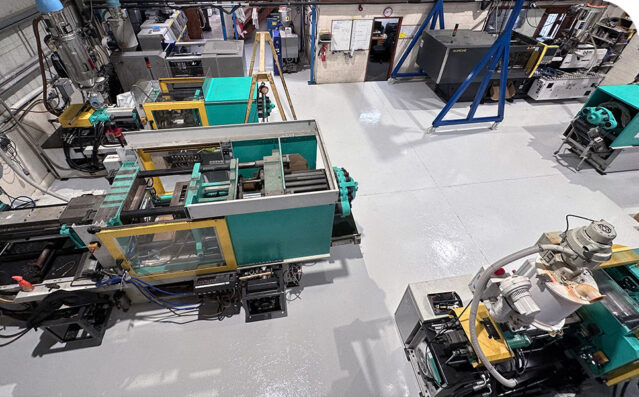
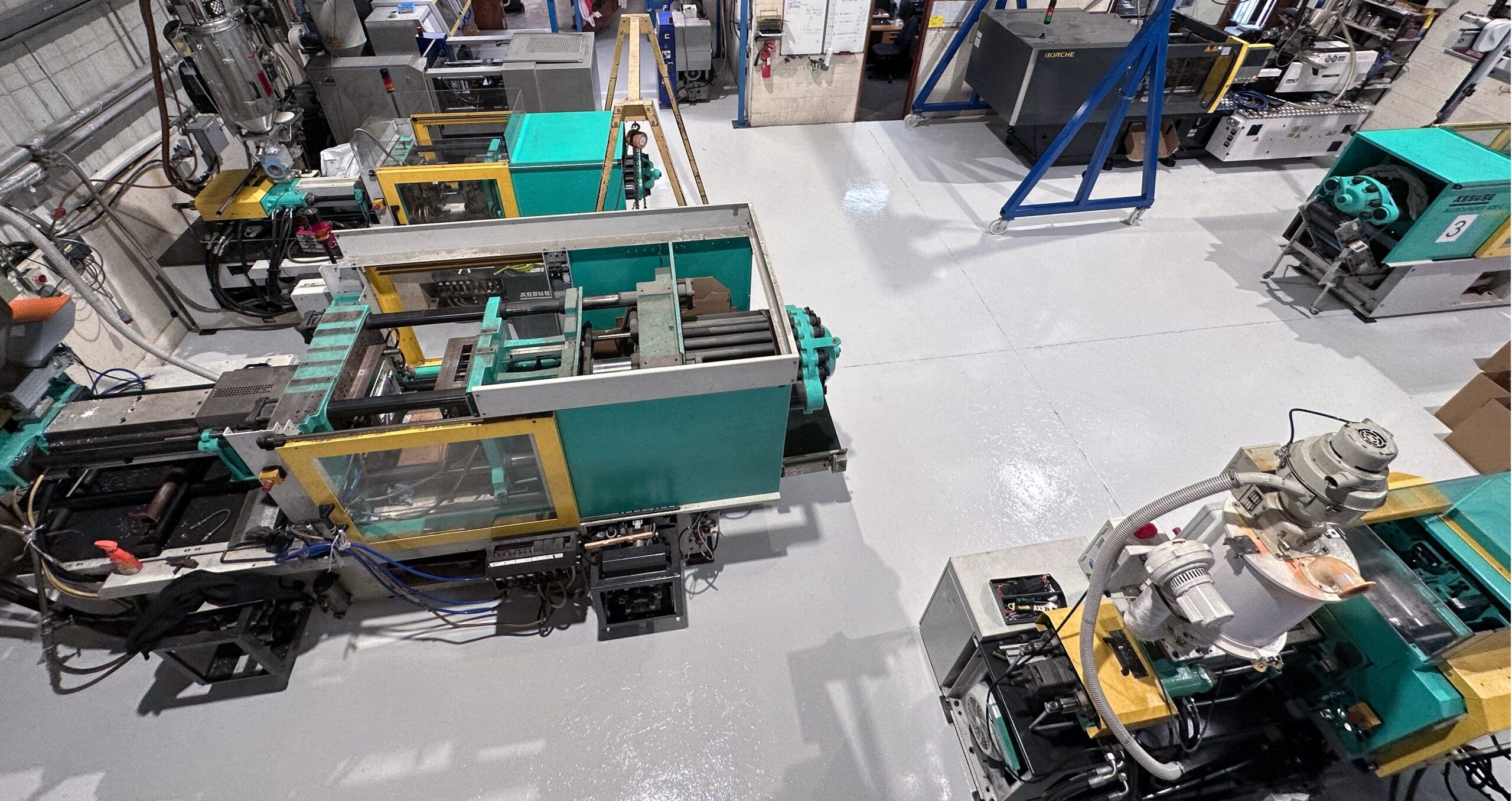
15 injection moulding machines from 25T to 400T
Competitive pricing
Rapid, reliable production schedules
15 injection moulding machines from 25T to 400T
Competitive pricing
Honest advice, controlled quality, and flexible injection moulding production. A practical, straightforward way to manufacture parts you can rely on.
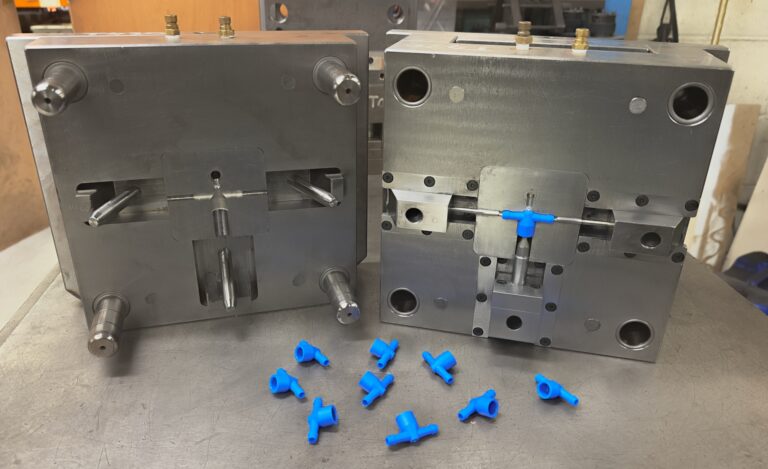
Plastic injection moulding is a manufacturing process where molten plastic is injected into a mould tool and cooled to form a finished part. It’s a strong choice for parts that need accuracy and repeatability.
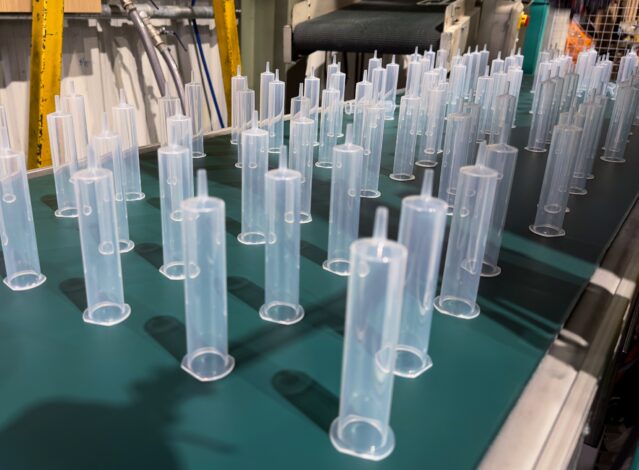
Compared to other plastic manufacturing processes, it produces complex shapes in a single step, rather than assembling multiple parts after manufacture. Because the process is automated and controlled, injection moulding produces identical parts with minimal variation. This level of precision is why it is widely used in sectors such as automotive and medical, where consistency is expected as standard.
At Bowles and Walker, we can help you streamline your manufacturing process. We prioritise precision, ensuring every product we mould meets the highest industry standards.
Injection moulding is best suited to products that are moving towards repeat production, where the design and manufacturing approach can be refined for consistency and long term use. It works best when you’re planning to produce the same part across multiple runs.
It’s often a good fit if your project:
Injection moulding may be less suitable for very early stage concepts or small batch quantities, where designs are still changing frequently. In these cases, alternative methods such as 3D printing can be used first, with injection moulding introduced later as requirements become clearer.
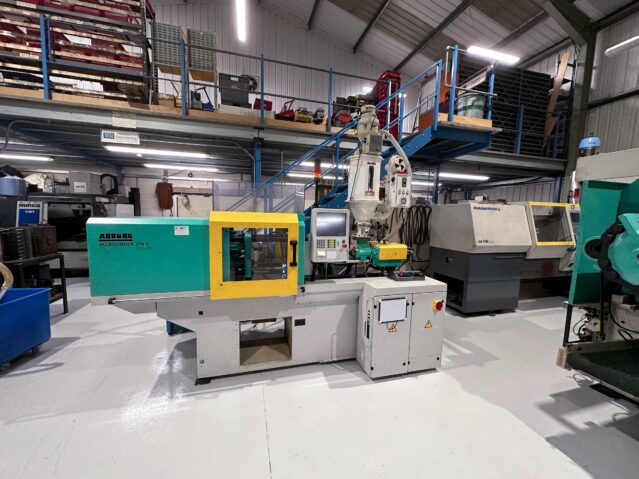
The cost of injection moulding is made up of two main elements. The upfront cost of producing a mould tool, and the ongoing cost of manufacturing each part.
Once the mould tool is in place, injection moulding becomes very cost effective, particularly at high volumes. As more parts are produced, the cost per unit reduces because the tooling cost is spread across the production run. This is why injection moulding is commonly used for repeat and long term manufacture.
The final cost per part is influenced by material choice, part complexity, and cycle time, but volume is usually the biggest driver. In simple terms, the more parts you produce, the lower the cost per unit.
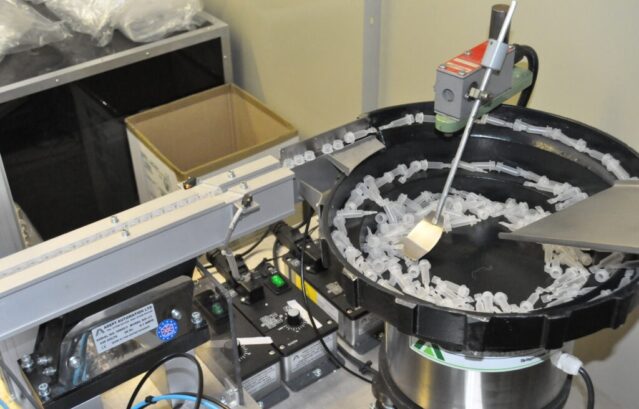
The injection moulding process starts with the mould tool, which is designed to form the shape of the finished part. Plastic is heated until it melts into liquid, and injected into the tool under pressure. The material is then allowed to cool and solidify before the mould opens and the part is ejected.
This cycle is repeated for each part, allowing consistent components to be produced at speed. Throughout production, the process is monitored to ensure parts are formed correctly and meet required quality standards.
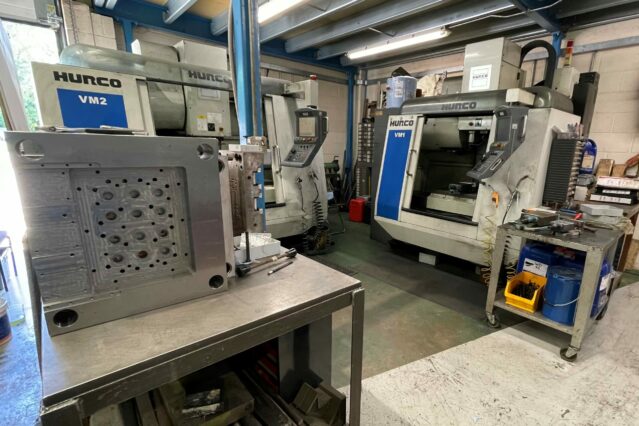
Turnaround times depend on the stage of your project and whether you need a new mould tool or tool modifications, and how complex the part is. The longest part of the process is usually the manufacturer of the mould tool.
As a general guide, tool design and manufacture can take anywhere from four to ten weeks, depending on complexity and tolerances. Multi cavity tools may take longer.
Once the tool is complete, sampling and testing usually takes one to two weeks. This allows parts to be checked for fit, finish and performance before full production begins.
Production lead times are generally much shorter. For established parts, moulding can often begin within days rather than weeks, with larger volumes scheduled to meet demand. Once a part is in regular production, injection moulding offers a reliable, efficient turnaround.
We have the expertise to support you – from precision plastic injection moulding to advice on streamlining your manufacturing process to save on costs. Take a look at how we’ve helped some of our clients.
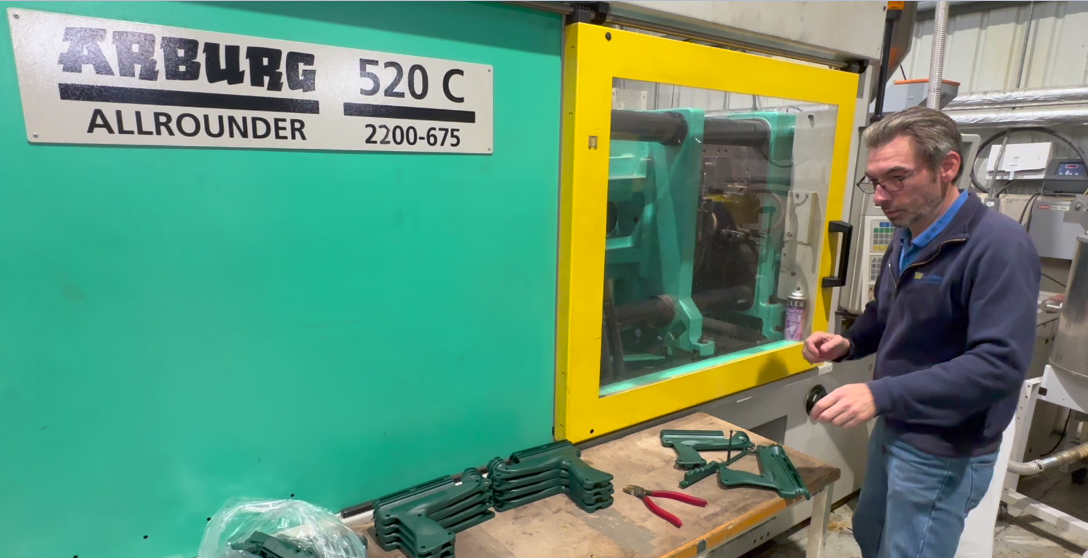
 Producing high quality and reliable shrink gun systems
With our flexible approach, we helped ShrinKit manufacture their shrink guns efficiently and in a cost-effective manner without compromising on quality.
Read in full >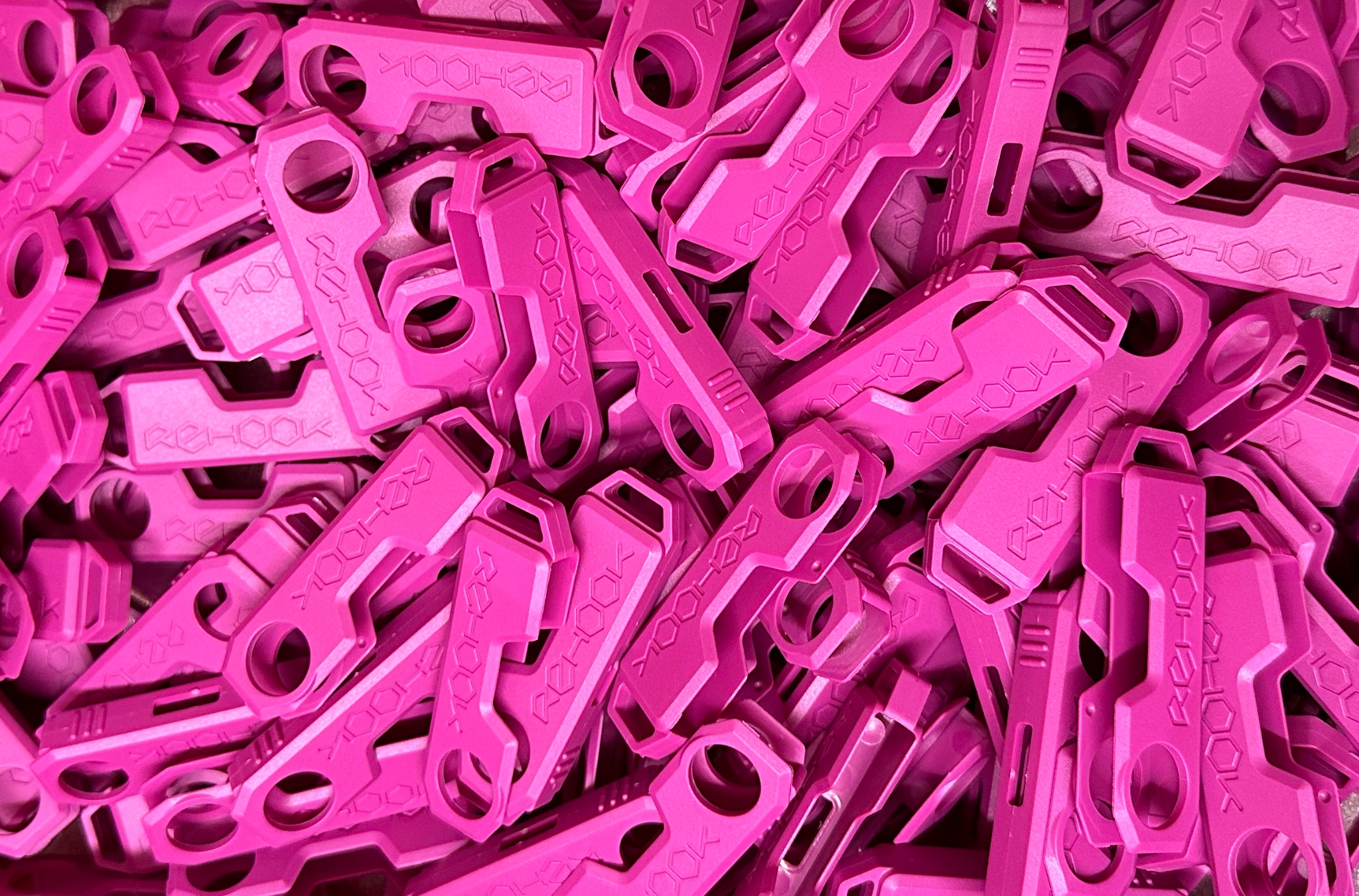
 Injection moulding for innovative cycling product
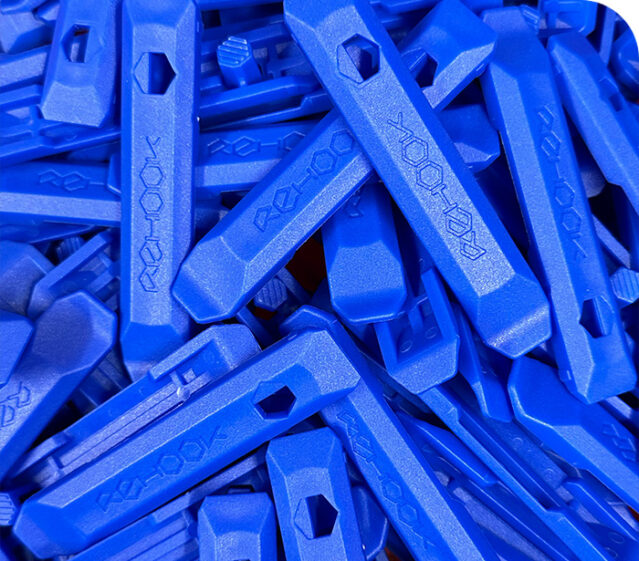
Offering our design, tooling and moulding expertise, we helped Rehook develop their new ‘Rehook Plus’ and ‘Rehook Mini’ products.
Read in full >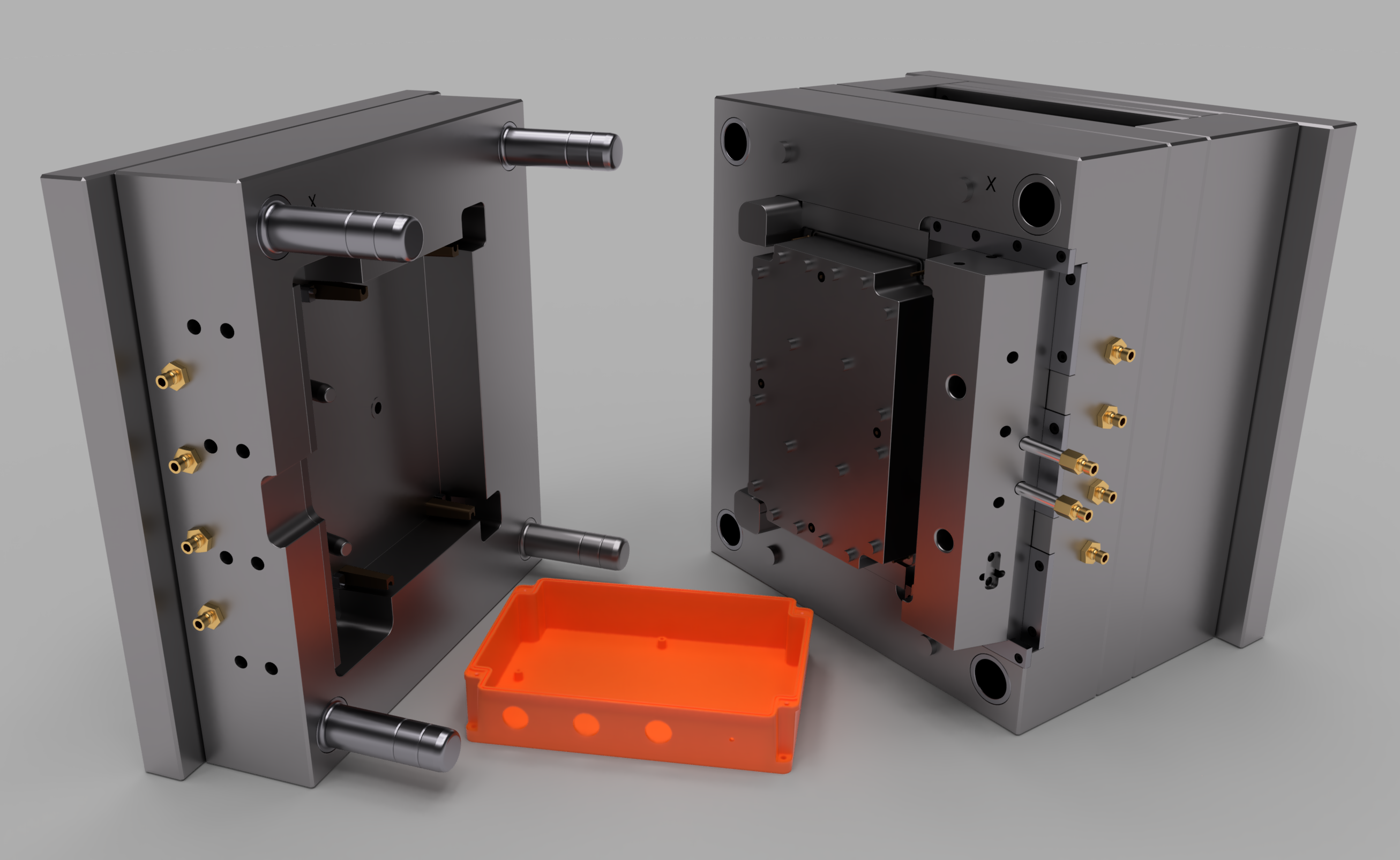
 Reducing costs by creating a bespoke mould tool
We helped Advanced Air reduce costs by creating their own mould tool for a bespoke enclosure for their electrical enclosure.
Read in full >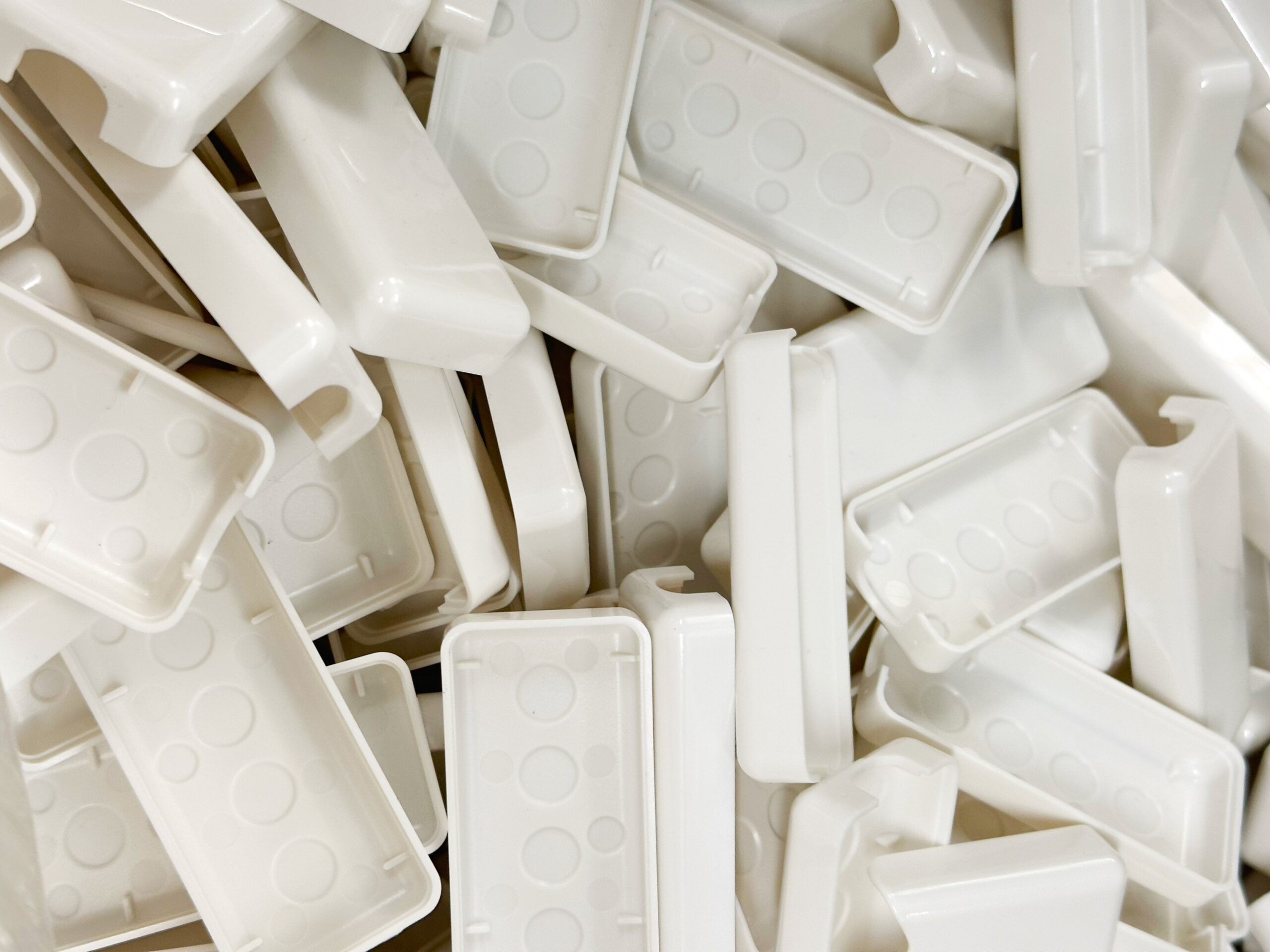
 Injection moulding for plastic casing and components
We are proud to have a long standing relationship with Seneye, creating a system that enables them to monitor water in an aquarium to protect marine life.
Read in full >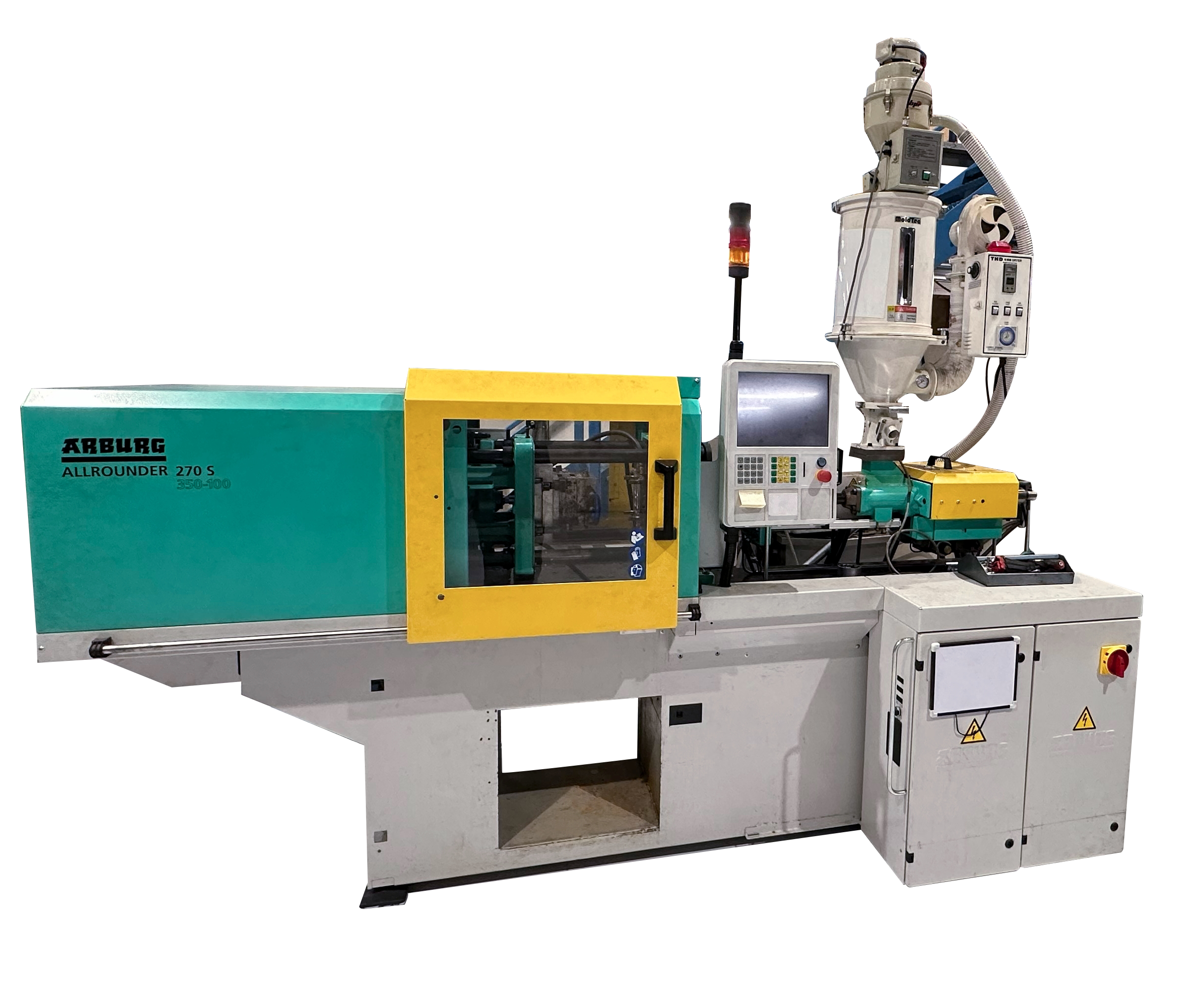
We take an honest, considered approach to injection moulding, supporting projects from early discussion through to long term production. Our focus is on building manufacturing solutions that remain reliable and flexible as products and volumes develop.